
Why Off-Season Training Wins Championships
Eric Cannon • June 25, 2026
Discover why off-season training is the foundation of championship seasons — skill consolidation, injury prevention, and measurable gains for baseball and softball players.
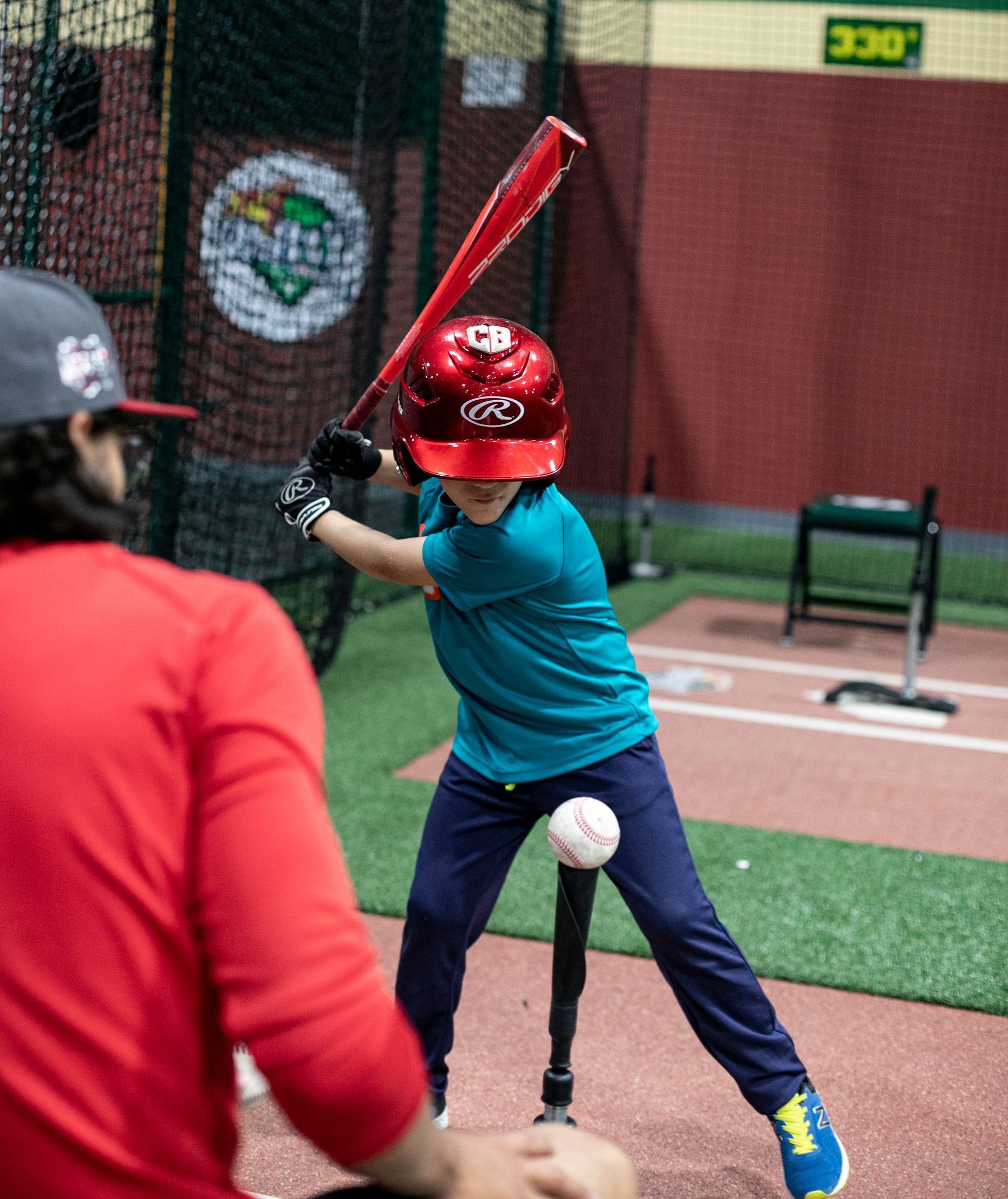
The difference between good teams and great teams is rarely decided in-season. It’s built when games aren’t on the calendar — in focused practice, strength work, and intentional recovery.
Why the Off-Season Matters
- Skill consolidation: Without game pressure, players can intentionally change mechanics and build reliable motor patterns.
- Physical adaptation: Strength, speed, and mobility gains require concentrated blocks to become durable.
- Injury prevention: Planned load management and prehab reduce the nagging issues that derail seasons.
- Mental reset: Time to set goals, rebuild confidence, and create routines.
What Effective Off-Season Training Looks Like
- Periodization: Phases for testing, technique, strength/power, and peaking.
- Balanced program: 2–4 skill sessions per week, 2 strength sessions, daily mobility/prehab.
- Objective tracking: Exit velocity, pitch velocity, sprint times, and consistency of mechanics.
Actionable Takeaways
- Create an off-season plan with weekly targets.
- Schedule a recovery/deload week every 4 weeks.
- Test baselines before starting and retest monthly.
Book a free off-season assessment at D-BAT Maumee to get a personalized plan. You can call us at (419) 875-3228, or email us at [email protected].
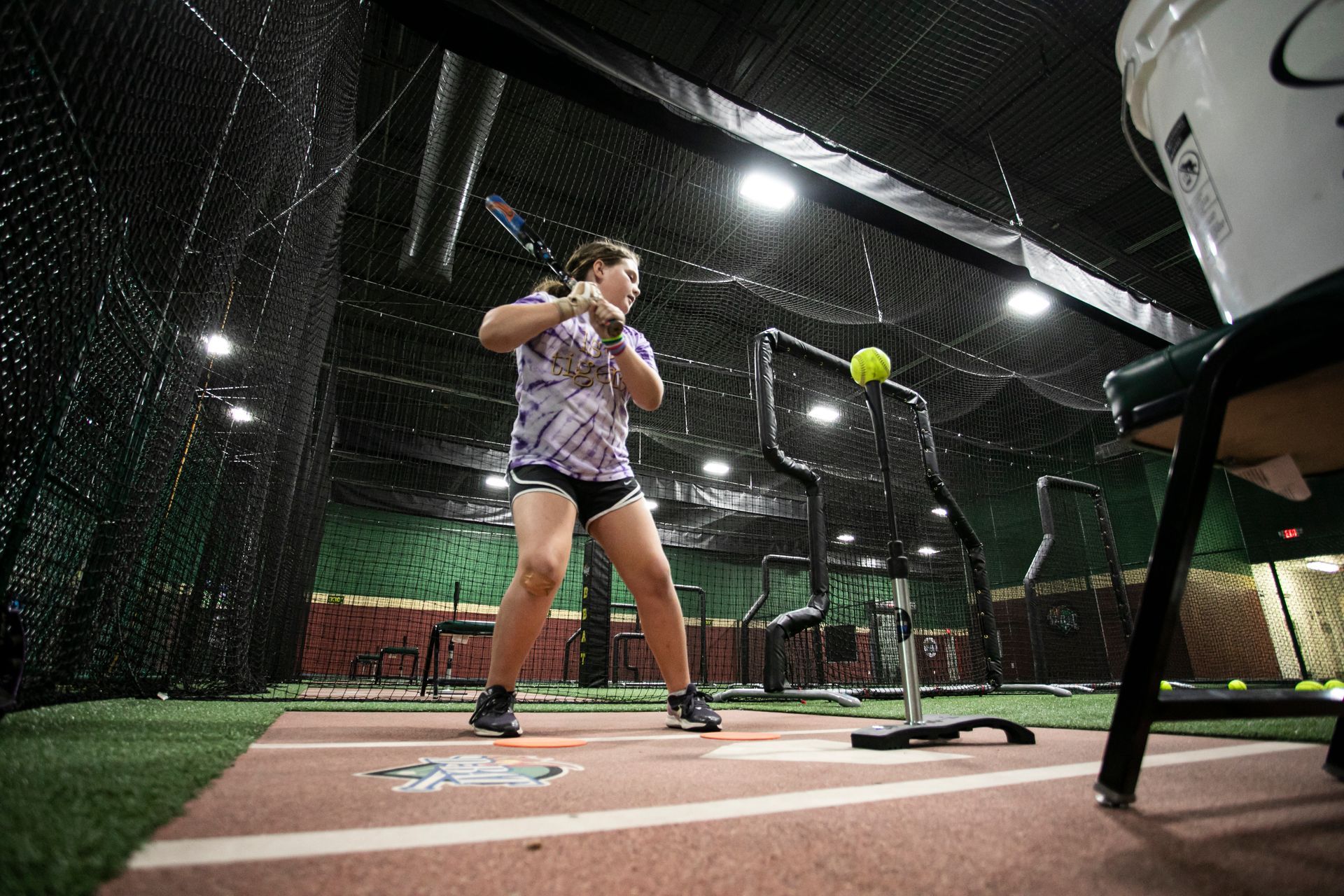
Maximize hitting gains this off-season with focused drill progressions, video feedback, and data-driven practice plans for baseball and softball players

Learn how to design an off-season schedule for baseball/softball that balances skills, strength, and recovery to peak at tryouts and season start.